
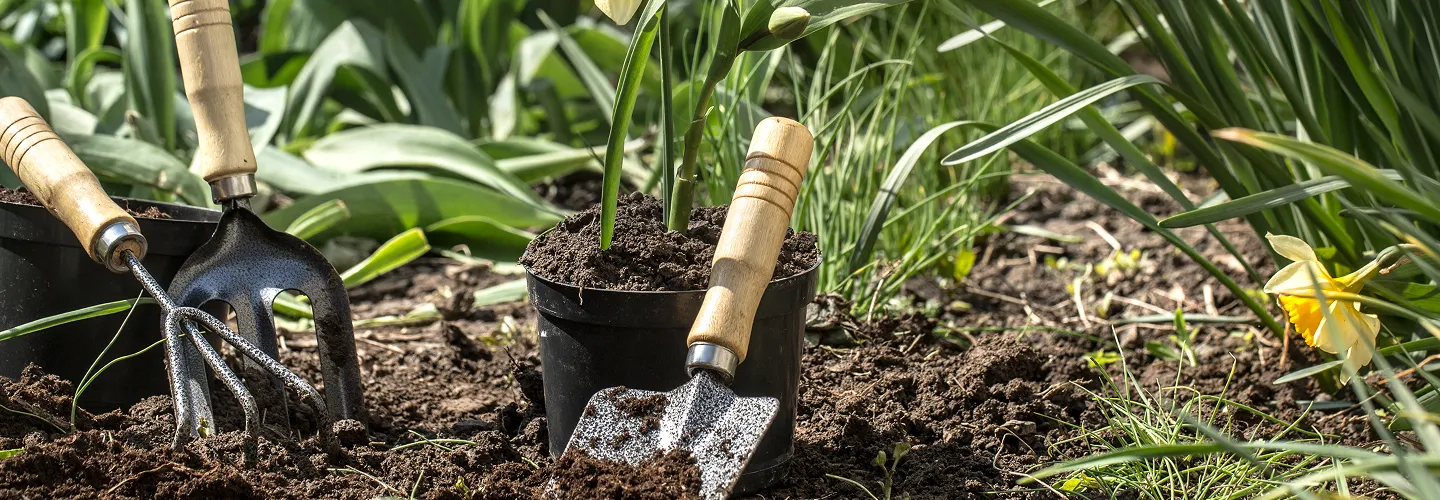
Humble Dethatching Lawn Services
Choose our dethatching lawn services for a healthier, greener yard—our experienced team removes built-up thatch to improve water, nutrient, and air flow, ensuring your grass thrives all season long.
Get a Free QuoteOur Humble Landscaping & Yard Care Services
When to Schedule Dethatching Lawn in Humble, Texas – Seasonal Guide
In Humble, Texas, the best time to schedule dethatching for your lawn is typically in late spring or early fall, when grass is actively growing and can recover quickly. The region’s warm, humid climate—especially in neighborhoods like Atascocita and near Jesse H. Jones Park—means lawns often experience rapid thatch buildup, particularly after wet winters or periods of heavy rainfall. Timing dethatching around the last expected frost date and before the peak summer heat helps prevent stress on your turf and encourages healthy regrowth.
Local environmental factors play a significant role in determining the ideal dethatching window. Humble’s clay-heavy soils, frequent humidity, and shaded areas under mature oaks or pines can all contribute to thatch accumulation. Additionally, drought risk during late summer and municipal watering restrictions may affect how and when you can perform lawn maintenance. For more information on local regulations and seasonal tips, visit the official city resource.
Local Factors to Consider for Dethatching Lawn in Humble
- Tree density and shade coverage, especially in areas like Timberwood and Fall Creek
- Soil type (clay soils retain moisture and can increase thatch)
- Recent precipitation patterns and risk of drought
- Frost dates and timing of spring green-up
- Municipal watering restrictions or local ordinances
- Terrain and drainage, particularly in low-lying neighborhoods
Benefits of Dethatching Lawn in Humble
Improved Lawn Health
Enhanced Water Absorption
Boosted Grass Growth
Reduced Pest Problems
Increased Fertilizer Effectiveness
Professional Landscaping Expertise
Humble Dethatching Lawn Types

Bermuda Grass Dethatching
-
St. Augustine Grass Dethatching
-
Zoysia Grass Dethatching
-
Fescue Grass Dethatching
-
Ryegrass Dethatching
-
Centipede Grass Dethatching
-
Buffalo Grass Dethatching
Our Dethatching Lawn Process
Lawn Evaluation
Thatch Depth Measurement
Dethatching Equipment Setup
Thatch Removal
Cleanup and Disposal
Why Choose Humble Landscape Services
-
Humble Homeowners Trust Us
-
Reliable Lawn Maintenance
-
Competitive Pricing
-
Professional Team
-
Satisfaction Guarantee
-
Personalized Service
-
Timely Project Completion
Dethatching Lawn Practices for Humble’s Expansive Clay Soils and Drainage Patterns
Dethatching in Humble, TX requires careful consideration of the city’s predominant soil types, including Houston Black clay and related Vertisols, as identified by the USDA Web Soil Survey. These soils are characterized by high clay content, poor drainage, and a tendency to compact, which can exacerbate thatch buildup and restrict turfgrass root development. Soil pH in Humble typically ranges from 7.0 to 8.0, necessitating periodic soil testing and amendments. For optimal results, dethatching should be performed when soil moisture is moderate to avoid compaction and turf damage. Recommended dethatching depth is 0.5 to 1 inch, with multiple passes for heavily compacted areas. Residents are encouraged to submit soil samples through Texas A&M AgriLife Extension for analysis and amendment recommendations.
- Houston Black clay and Vertisols: high shrink-swell, poor drainage
- pH range: 7.0–8.0 (alkaline)
- Dethatching depth: 0.5–1 inch
- Soil testing: every 2–3 years
Municipal Coordination and Yard Waste Disposal for Dethatching in Humble
Proper disposal of dethatching debris is regulated by the City of Humble’s municipal ordinances. Yard waste, including thatch and grass clippings, must be placed in biodegradable bags or reusable containers (32-gallon maximum) for curbside collection. Weekly pickup is scheduled for Thursdays, April through November. Plastic bags and branches over 4 inches in diameter are prohibited. Residents must not deposit yard waste in storm drains or public rights-of-way, as this violates the city’s MS4 permit under the Clean Water Act. For large volumes, the city provides a drop-off site at the Public Works facility during regular hours.
- Collection day: Thursday (April–November)
- Accepted: biodegradable bags, 32-gallon bins
- Prohibited: plastic bags, oversized branches
- Drop-off: Public Works facility, Mon–Fri 8:00 AM–4:00 PM
Humble Public Works Department
102 Granberry St, Humble, TX 77338
Phone: (281) 446-2327
Official Website: Humble Public Works Department
Environmental Compliance: Stormwater and Buffer Zone Regulations in Humble
Dethatching activities in Humble must comply with local and state environmental regulations to protect water quality in the San Jacinto River watershed and nearby wetlands. The Texas Commission on Environmental Quality (TCEQ) enforces MS4 stormwater requirements, prohibiting the discharge of organic debris into storm drains. A 25-foot no-disturbance buffer is required from delineated wetlands and drainage ditches. Fertilizer or chemical applications following dethatching must maintain a 50-foot setback from water bodies. Violations may result in fines under the Texas Water Code. Residents are encouraged to consult the EPA Region 6 for additional guidance on federal compliance.
- 25-foot buffer from wetlands/drainage
- 50-foot setback for fertilizer/chemicals
- No debris in storm drains (MS4 compliance)
- Fines for violations under Texas Water Code
Texas Commission on Environmental Quality
12100 Park 35 Circle, Austin, TX 78753
Phone: (512) 239-1000
Official Website: Texas Commission on Environmental Quality
Seasonal Timing and Equipment Standards for Dethatching Lawns in Humble
The optimal window for dethatching lawns in Humble is late March through early May, when soil temperatures reach 60–65°F and warm-season grasses such as St. Augustine and Bermuda are actively growing. Dethatching outside this period can stress turf and reduce recovery. Equipment operation is regulated by city noise ordinances:
- Monday–Friday: 7:00 AM–7:00 PM
- Saturday: 8:00 AM–6:00 PM
- Sunday and holidays: Prohibited
Operators must use commercial-grade dethatchers with blades set to 0.5–1 inch depth and maintain noise levels below 85 dB at property lines. Personal protective equipment (PPE) is required, including ANSI Z87.1 safety glasses, hearing protection, and steel-toed boots. For weather updates and soil temperature monitoring, consult the National Weather Service Houston/Galveston Office.
- Dethatching window: March–May (soil 60–65°F)
- Equipment hours: see above
- PPE: safety glasses, hearing protection, steel-toed boots
- Equipment: commercial dethatcher, 0.5–1 inch blade depth
What Neighborhoods Do We Serve Throughout Humble, TX?
- Deerbrook Estates: Features newer developments with moderate clay content and efficient drainage, but occasional compaction issues due to construction fill soils.
- Atascocita Forest: Characterized by mature trees, heavy leaf litter, and dense thatch accumulation, requiring frequent dethatching and careful debris management.
- Timberwood: Contains older homes with established lawns, variable soil pH, and periodic flooding concerns near drainage channels, necessitating strict buffer compliance.
- Foxwood: Noted for smaller lots and high-density housing, where equipment access and adherence to noise ordinances are critical for compliance.
- Northshire: Located near protected wetlands, this area requires strict observance of 25-foot buffer zones and careful stormwater management during dethatching.
- Kenswick Forest: Experiences heavy clay soils and slow drainage, making timing and soil moisture management essential for effective dethatching.
- Eastex Oaks: Features mixed soil profiles and proximity to city parks, with additional considerations for public space maintenance and municipal coordination.